By Ruth Abbey Gita-Carlos
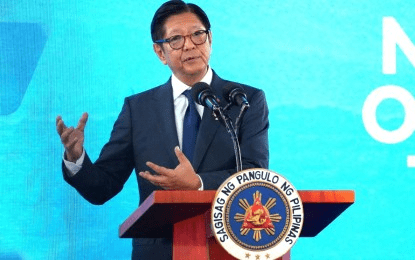
MANILA – President Ferdinand R. Marcos Jr. has directed the implementation of a national strategic technological cooperation framework aimed at advancing the Philippines’ development goals and interests.
The Technological Cooperation Council of the Philippines (TCCP) will be the implementing agency tasked to ensure that the strategic and efficient implementation of technical cooperation programs is aligned with national priorities and emerging global trends, according to Executive Order (EO) 115.
The national technological cooperation framework, to be known as the Development Philippines, will serve as the government’s blueprint for providing technical assistance to developing nations.
“Evolving global developments present opportunities for the Philippines to expand participation in international development cooperation while advancing foreign policy priorities and national development objectives,” EO 115 read.
The EO includes the Department of Health, the Department of Migrant Workers, and the Technical Education and Skills Development Authority as the new TCCP members, to strengthen the council’s institutional capacity, effectiveness, and responsiveness.
The TCCP is directed to provide overall policy direction for the Philippine Technical Cooperation Program, approve the roadmap and program, ensure alignment of technical cooperation initiatives with national development priorities and foreign policy objectives, and facilitate inter-agency coordination and stakeholder engagement.
EO 115 also creates a technical working group that will provide technical and policy support to the TCCP by formulating the roadmap and program to be endorsed by the council, and initiating periodic review and updating of the initiatives.
The TCCP Secretariat, tasked to provide technical, administrative, and coordination support, will be fully integrated with the council chair, the Department of Foreign Affairs (DFA).
It is mandated to prepare technical reports, policy briefs, and recommendations; coordinate with implementing agencies and development in the preparation of project documents and agreements; and monitor and evaluate the implementation of technical cooperation projects and programs.
The TCCP Secretariat is also instructed to maintain a database of ongoing and completed technical cooperation initiatives, provide secretariat services, and coordinate inter-agency inputs to ensure coherent representation of Philippine technical cooperation interests at the bilateral, regional, and multilateral levels.
All assets, liabilities, and personnel of the TCC Secretariat are transferred to the DFA.
The funds needed for the initial implementation of the order will be charged against the current and available appropriations of the DFA and other concerned agencies, as well as other sources that may be identified by the Department of Budget and Management.
EO 115, which was made public on May 12, takes effect immediately upon its publication in the Official Gazette or a newspaper of general circulation. (PNA)