By Jose Cielito Reganit
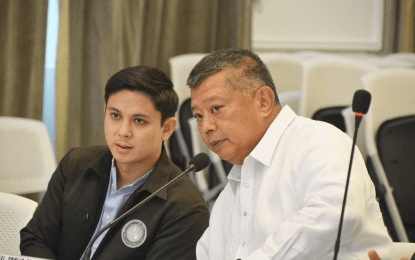
MANILA – House Committee on Justice chairperson Gerville Luistro of Batangas on Monday pushed back against claims that the House impeachment hearings are meant to embarrass Vice President Sara Duterte.
She said the proceedings are part of an accountability mechanism designed to determine whether there is probable cause to move the complaint forward.
“Definitely, that is not the intention. Klarong-klaro ito sa Rules na (It’s very clear in the Rules that) we are mandated to determine the existence of probable cause. In doing so, we are authorized to conduct this hearing proper, clarificatory hearing, and in doing so as well we are authorized to exercise this compulsory process such as the issuance of subpoena duces tecum and subpoena ad testificandum,” Luistro said in a radio interview.
“Sa lahat po rin sambayang Pilipino, ito pong aming ginagawang ito ay hindi pagpapahiya sa ating VP. Ito po’y bahagi ng impeachment process. Kami po ay may trabahong i-determine kung may sapat na dahilan upang umusad ang impeachment process. Kaya kailangan po namin mag-conduct ng clarificatory hearing (To the Filipino people, what we are doing is not shaming our Vice President. It is part of the impeachment process. We are mandated to determine probable cause to move the impeachment process forward. That’s why we need to conduct clarificatory hearings),” she added.
Luistro also made clear that the committee is not conducting a full trial inside the House panel, but is instead making the threshold determination required under the rules before lawmakers decide whether the complaint deserves to advance to the next stage.
“We need to see if the allegations in the complaint and the attached evidence are sufficient already to constitute probable cause,” she said.
If there is probable cause, she said, the decision will be forwarded to the plenary for another round of debates.
“Kung sasangayunan po ng plenaryo ang desisyon ng Justice Committee, ito po’y itratransmit sa Senado para magkaroon ng trial (If the decision of the Justice Committee is affirmed by the plenary, then it will be transmitted to the Senate for trial),” she said.
Luistro also pointed out that the process includes a built-in off-ramp if the committee finds the evidence wanting, with the panel able to dismiss the complaint at its level and elevate that recommendation to the House plenary for final action.
“Kung i-affirm po nila ang dismissal eh ‘di final na po iyon. At kung i-reverse naman po nila kami, ibig sabihin mata-transmit pa rin po ito sa Senate for trial (If they affirm the dismissal, then it’s final. But if they reverse, it means it will still be transmitted to the Senate for trial),” she added.
Luistro said impeachment is one of the constitutional checks available to the public against impeachable officials who may have committed offenses serious enough to justify removal and disqualification from public office.
“Ito po yung tinatawag nating (This is what we call) accountability mechanism which is innate in a democratic form of government. Ang very famous na sabihin (What is famously said) about democratic form of government is a government of the people, by the people and for the people,” Luistro said.
“At ito po ang kapangyarihan ng taumbayan (And this is the power of the people) to check on this impeachable official if they committed impeachable offenses and if so, may kapangyarihan ang taong bayan tanggalin at ipagbawal ang patuloy na pagtanggap ng posisyon sa gobyerno (the people have the power to remove and ban the official from any government position),” she added. (PNA)