By Marita Moaje
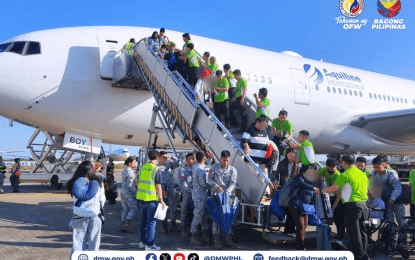
MANILA – The Overseas Workers Welfare Administration (OWWA) on Monday said most overseas Filipino workers (OFWs) repatriated by the government have returned due to the Middle East conflict, prompting the agency to intensify reintegration programs for displaced workers.
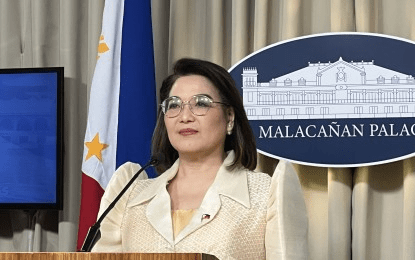
In a press briefing, OWWA Administrator Patricia Yvonne Caunan said that, based on OWWA and the Department of Migrant Workers (DMW) records, 6,532 OFWs and their dependents have been repatriated by the Philippine government so far.
Of the total, she said OWWA has sponsored 3,258, or about 50 percent of these OFWs and dependents.
“Ano ang rason for their repatriation? Meron 2,712 or 67 percent na umuwi dahil sa nangyaring kaguluhan, 457 or 12 percent dahil sa contract termination, so nawalan sila ng trabaho, na-terminate ang kontrata nila, 206 ay medical reasons (What is the reason for their repatriation?) There are 2,712 or 67 percent who returned due to the unrest, 457 or 12 percent due to contract termination, so they lost their jobs, their contracts were terminated, and 206 due to medical reasons),” she said.
Caunan said the assessment done together with the Department of Health and the Department of Social Welfare and Development showed that most of these OFWs were traumatized by the conflict they experienced personally.
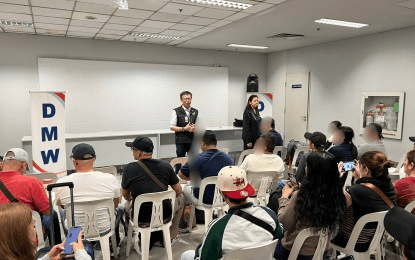
She said OWWA assistance extends beyond bringing OFWs home, including temporary accommodation and domestic flight tickets to their hometowns.
The OWWA also provides on-site, repatriation and post-repatriation assistance, all funded by its Emergency Repatriation Fund (ERF).
“The ERF, we have already utilized 55 percent of the allocation for this year when it comes to the Emergency Repatriation Fund,” she said.
Meanwhile, she said that to address the surge in returnees, OWWA and the DMW have shifted their focus to helping them rebuild livelihoods in the Philippines.
“Balik Pinas, Balik Hanapbuhay ay isa sa flagship programs ng OWWA para sa kanilang mga miyembro (Back to the Philippines, back to work) is one of OWWA’s flagship programs for their members),” she said, referring to the government’s primary livelihood assistance initiative for returning workers.
Caunan emphasized that reintegration support goes beyond financial aid, with expanded programs on employment, training, and business development in partnership with other government agencies.
She said government assistance covers the full cycle of support for OFWs, ensuring that OWWA remains committed to helping them transition back to life in the Philippines amid global uncertainties that continue to affect overseas employment. (PNA)