ESPRESSO MORNINGS
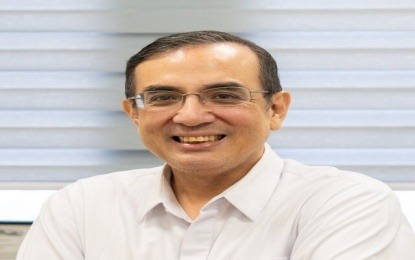
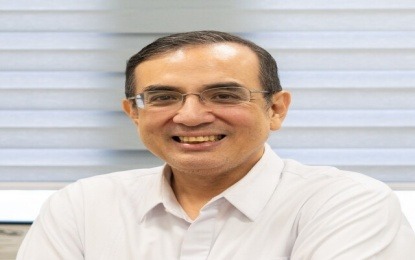
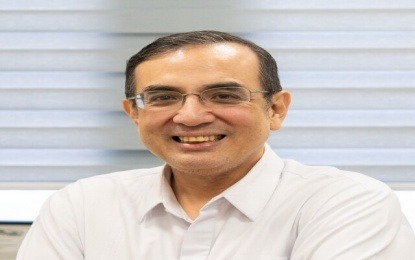
By Joe Zaldarriaga

He was the architect behind Meralco’s most celebrated milestones in the field of communications— steering the company to five-time Company of the Year honors at the Philippine Quill Awards and leading the only PR team ever named Team of the Year in the history of the Anvil Awards.
Manong Joe’s leadership also extends as a respected member of the Board of Trustees for the Public Relations Society of the Philippines (PRSP), concurrent with his role as Chairman of the International Association of Business Communicators Philippines (IABC Philippines) where he also served as its President.
Manong Joe is a distinguished awardee of the medallion of honor and scroll of commendation from the University of Manila, owing to his years in public service as a communications professional. He shares his insights through columns in renowned publications, including The Philippine Star’s The Z Factor, and Philippine News Agency’s ESPRESSO MORNINGS.
On a recent trip to Hanoi, I was struck by Vietnam’s vibrant tourism industry and how the country has managed to rake in impressive revenues despite challenges that, on paper, should have slowed them down.
First, the language barrier is real, and infrastructure gaps are visible yet tourists keep coming. Why? Because Vietnam has positioned itself as an accessible, affordable, and welcoming destination. Apart from the occasional taxi scam (which authorities should address), the country offers a reassuring environment for travelers. In summary, traveling to Vietnam is generally perceived to be value for money.
And this is visible in the numbers. Vietnam pulled in more than 21 million international visitors in 2025—more than triple the Philippines’ 6.4 million.
Despite our numerous high-value tourist assets, which I dare say are among the finest in the world—pristine beaches in Palawan, Siargao, and Boracay, cultural gems like Vigan and Intramuros, gastronomic finds, and our unique Filipino hospitality, we remain behind in arrivals and receipts. Tourism contributed PHP694 billion in receipts last year, based on initial estimates of the Department of Tourism.
Concerns on our local tourism industry have also recently become the subject of social media discussions and news reports, with many bemoaning costly domestic fares to destinations such as Siargao that could rival (or are even more expensive) than international flights to Singapore and Hong Kong, among others. Malacañang said the Department of Transportation is working to address the concern, noting that local airlines have committed to bringing down domestic fares.
While this is a welcome development, improving our tourism industry goes beyond making airfares affordable, and should only be part of a broader strategy to make the Philippines a truly competitive destination in the region.
Affordable fares are only one piece of the puzzle. A strong tourism industry requires reliable infrastructure that provides travelers with seamless connectivity between islands, clean hotels, consistent safety standards, access to health and emergency services when needed, and strong branding and marketing that make the Philippines highly competitive.
The Philippines should not be positioned simply as a tropical paradise but a safe, accessible, and premium destination.
Right now, our country is struggling with costly domestic flights that impact inter-island transportation, and safety concerns ranging from airport taxi overpricing to inadequate health facilities in tourist destinations. While these are minor issues that I’m sure are not unique to the Philippines, when left unaddressed, these add up to a perception problem.
Tourists want seamless experiences, and right now, Vietnam delivers that better than we do.
Vietnam’s tourism boom shows that even with modest facilities, the perception of safety and accessibility can drive massive arrivals. The Philippines, with its premium destinations, should be aiming higher with world-class systems that elevate the visitor experience.
To be fair, the Philippine government has not been idle. The Department of Tourism has rolled out initiatives to diversify offerings beyond the “sun and sand” narrative. Gastronomy is being promoted, with the Michelin Guide finally arriving in Manila and international food festivals like Terra Madre Asia-Pacific highlighting Filipino cuisine. But the government must be more aggressive and bolder to make tourism a major economic driver.
Our destinations are not just beautiful—they are premium. Our cultural depth, from centuries-old churches to indigenous traditions, offers experiences that other countries cannot replicate. Yet these treasures remain under-leveraged because of weak marketing abroad and infrastructure bottlenecks at home.
Tourism is more than leisure, it is livelihood. It is an ecosystem of its own. Every visitor who comes to the Philippines contributes to supporting the livelihood of local communities. Done right, tourism can rival remittances as a pillar of the economy that promotes regional growth.
The Philippines has been blessed with natural assets to become a truly premium tourist destination. What we need is strategic investment, consistency, and a relentless focus on visitor experience. If we can deliver that, tourism will not just be a supporting sector—it can be and should be a pillar of economic growth.