By Darryl John Esguerra
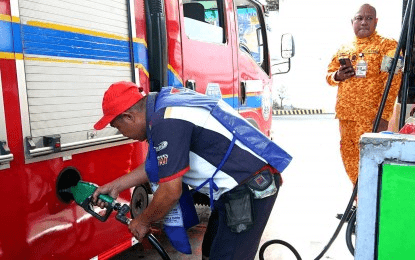
MANILA – Malacañang on Thursday assured the public that essential government services, including health, police, fire and emergency response operations, will remain fully operational despite energy conservation measures being implemented by the government amid the Middle East crisis that severely affected the global oil supply chain.
Executive Secretary Ralph Recto said agencies delivering frontline services are not covered by the four-day onsite work arrangement aimed at reducing energy consumption.
“The language of the President’s order is clear: Agencies that provide frontline services shall keep their services running at all times,” Recto said in a statement.
He stressed that the “overriding rule” is that “essential, basic and vital services” must not be interrupted.
These include agencies involved in the “direct delivery of health, public safety, and emergency response services” to the public.
While such agencies are expected to observe energy-saving measures, Recto said these should not affect service delivery.
“These should not in any way curtail or compromise the work that they do,” he said.
“We do not cut ambulance service in the name of fuel economy. We do not restrict police response to crime in order to save on gas. Ang ganyang serbisyo ay hindi tinitipid (This type of service should not be scrimped),” he added.
Recto explained that the government-wide push to reduce energy consumption is intended to reallocate resources to critical services.
“Kung tumataas ang presyo ng gasolina (Since the price of gasoline is going up), we will put government service vehicles on a gas diet, so that ambulances, fire truck, police patrol cars can continue running,” he said.
Under Memorandum Circular No. 114 issued by President Ferdinand R. Marcos Jr. on March 6, support and auxiliary offices, even within frontline agencies, are required to reduce actual energy use by 20 percent.
“Kung regional office ka ng (If you are a regional office of the) Bureau of Fire Prevention, covered ka ng (you are covered by) energy conservation protocols. But gasoline supply of firetrucks, for obvious reasons, are exempt from scrimping,” Recto said. (PNA)