By Joann Villanueva
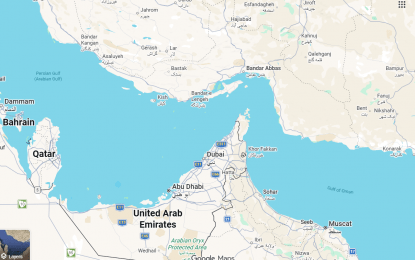
MANILA – With oil prices surging to nearly USD100 per barrel on account of the Middle East conflict, an economist projects the rate of price increase to breach the four percent level this year.
In January, domestic inflation rose to 2 percent, the lower end of the Bangko Sentral ng Pilipinas (BSP) 2 to 4 percent target band after staying below target from February to December 2025.
In February, it accelerated to 2.4 percent, which monetary officials said was expected. It was earlier projected to breach the 3 percent level this year.
However, it is widely expected to rise further, the same as four years ago during the start of the Russia-Ukraine war, Rizal Commercial Banking Corporation chief economist Michael Ricafort told the Philippine News Agency in an interview Saturday.
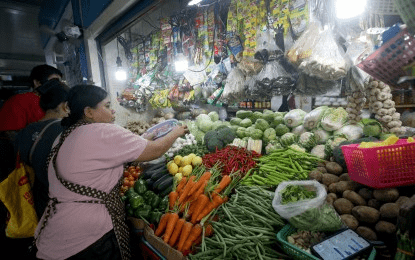
“Inflation would likely go up and could potentially breach above the 4 percent upper range of the BSP’s inflation target, as high oil/fuel prices would lead to higher fares, wages, and other prices of other affected goods and services or second-round inflation effects, leading to faster actual inflation and also higher inflation expectations,” he said.
The US benchmark WTI (West Texas Intermediate) is at USD98.32 per barrel as of posting time.
Local diesel prices may increase by PHP16.60 to PHP17.50 per liter next week, and gasoline by PHP7.50 to PHP8.50 per liter.
Ricafort said the government’s targeted subsidies to cushion the impact of the oil prices hikes will help address inflationary effects.
“Previous administrations/economic teams used targeted subsidies as alternative amid the delicate balance to reduce pass-through of higher prices/mitigating impact inflationary effects while managing limited financial resources to prevent wider budget deficits and prevent incurring additional borrowings/debt,” he said.
With the widely expected faster acceleration in inflation rate, Ricafort said the BSP’s policy decision some four years ago, when key rates were slashed continuously, will likely happen again to ensure inflation will remain within target.
He said such decisions may be pursued “even if the unintended consequences include slowing down the economy as part of doing all the necessary measures and utilization of all tools needed to fulfill the mandate of price stability or stable inflation to ensure long-term economic growth and development that is more inclusive.”
In February, BSP’s policy-making Monetary Board reduced further the central bank’s key rates by 25 basis points to a three-year low of 4.25 for the target reverse repurchase rate. It brought to 2.25 percentage points the reduction in BSP key rates since August 2024. (PNA)