OBLIQUE OBSERVATIONS
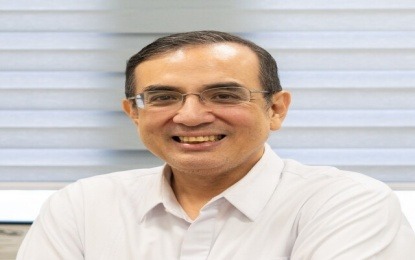
By Atty. Gilberto Lauengco, J.D.

It’s the Lunar New Year. It is supposed to be a time to plan for the future with anticipation and hope. It is a time for positive change, especially in this high-octane Year of the Fire Horse. Unfortunately, two recent incidents show that there are many things that still need change in our country.
First, the now viral incident of the driver who, unfortunately, ran over someone who jumped from the LRT station and landed in front of the said driver. Despite having clearly no violation or even apparent negligence, the said driver was detained. The authorities even doubled down on this age-old erroneous protocol of filing a complaint automatically when someone dies in an incident involving a vehicle. Even when the driver clearly was not at fault or was not violating any regulation and worse even if the other party was the one violating a law like driving in the opposite lane, the driver would be detained if the other party dies.
Clearly, the various defensive driving bills must be enacted into law. My suggestion is that even in an incident involving death, the driver must not be detained as a rule unless the driver is violating a law or traffic regulation, performing a crime, or shown to be under the influence of alcohol or prohibited drugs. Other than these instances, the normal procedure of filing a case with the Prosecutor’s office should be followed. In this way, the injustice and sheer illogical act of detaining a driver who was minding his own business would be eliminated.
The second incident is the other viral incident of a driver who was allegedly speeding and hit a hapless victim walking. It was alleged that the driver was under the influence but the test showed negative allegedly due to the length of time it took to do an alcohol test. The new laws must penalize authorities and private hospitals who do not possess the needed alcohol test machines. In these incidents, drivers who are driving above a certain speed limit or who test positive for alcohol should be detained because the presumption is that they are clearly negligent.
In Taiwan, where I stayed for a few years, the authorities had regular alcohol checkpoints where drivers would be tested for alcohol. Foreigners or migrants who would fail the test could be deported immediately and locals would face stiff penalties. They would station themselves along routes near bars and other places where alcohol would be sold. Perhaps it is time for a more draconian system of preventing drunk driving. Regular checkpoints with the needed equipment must be deployed in cities and municipalities to spot and detain drivers under the influence of alcohol. In addition, anyone testing positive for alcohol must be punished severely.
Perhaps if we address these lingering problems, we can truly greet each other with a Happy Lunar New Year.