By Wilnard Bacelonia
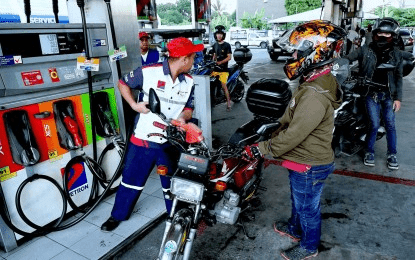
MANILA – A proposed “Bayanihan 3” measure seeking to grant the President emergency powers to curb rising fuel prices and stabilize supply was filed in the Senate on Monday.
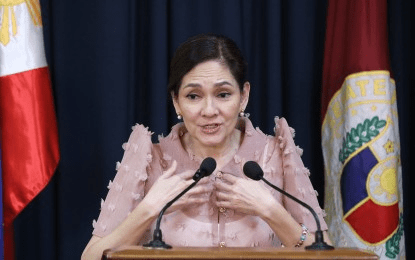
Senate Bill No. 2020, introduced by Senator Loren Legarda, aims to authorize time-bound and targeted interventions to manage petroleum costs and mitigate their impact on transportation, food production, and basic goods.
The bill cites escalating geopolitical tensions in West Asia and the Middle East that disrupted global supply chains, driving up international prices and triggering domestic fuel hikes.
“The dawn of 2026 has been defined by a sharp escalation of geopolitical hostilities. These localized conflicts have transcended regional borders, transforming into a global security threat,” Legarda said in the explanatory note.
She said the surge in fuel prices has already created widespread economic strain.
“This energy shock has catalyzed a profound socio-economic crisis across the archipelago … driving up the expenses of logistics, transportation and agricultural production,” she said.
Under the measure, the government may temporarily intervene in the oil industry, including implementing price stabilization mechanisms, managing supply, and ensuring adequate fuel allocation during the emergency period.
It also provides for fiscal relief measures such as the suspension or reduction of excise taxes and the possible zero-rating of value-added tax on petroleum products to immediately ease pump prices.
“Granting the President special emergency powers is an essential and constitutional recourse to enable the government to bypass bureaucratic delays and implement decisive measures,” Legarda said.
The bill also proposes subsidies and financial assistance for transport, agriculture and fisheries sectors, alongside demand-side measures such as energy conservation and accelerated transition to alternative energy sources.
It further institutionalizes a whole-of-government response through an expanded UPLIFT (Unified Package for Livelihoods, Industry, Food and Transport) framework to ensure energy security, food stability, and continuity of essential services during the emergency period.
The proposed powers are limited in scope and duration, with safeguards on transparency and reporting to ensure accountability. (PNA)