By Wilnard Bacelonia
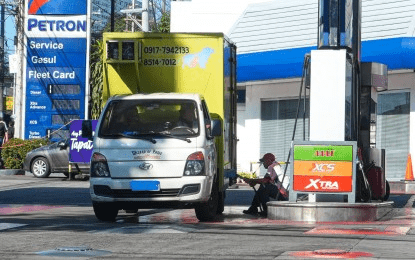
MANILA – A phased fuel contingency plan has been laid out to ensure stable supply and cushion the impact of the ongoing Middle East crisis, as senators also push for tax relief measures to ease rising fuel prices.
Department of Energy (DOE) Undersecretary Felix William Fuentebella said Tuesday the plan includes immediate, medium-term, and strategic actions to manage supply risks and price pressures.
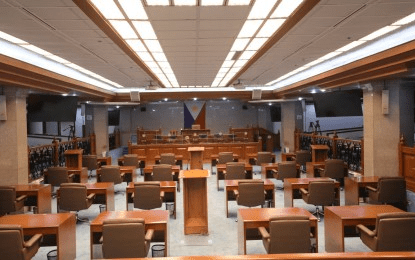
Presented during the Senate’s Proactive Response and Oversight for Timely and Effective Crisis Strategy (PROTECT) Committee hearing, the framework covers measures from zero to 180 days, including intensified inventory monitoring, coordination with local governments, and expanded sourcing of fuel supply.
“’Yung inventory natin is not breached (Our inventory has not been breached). We have sufficient supplies but we will not let our guards down,” Fuentebella said.
Immediate steps include mobilizing the Philippine National Oil Company (PNOC) to secure additional cargoes, engaging oil firms on staggered price adjustments, and enforcing measures against hoarding and profiteering.
For the medium term, the DOE is exploring more suppliers and regional cooperation such as the ASEAN Petroleum Security Agreement (APSA), while long-term reforms focus on renewable energy development and reducing dependence on imported fuel.
“’Yung (The) PNOC or the government is also looking into additional suppliers just to make sure that we have the supplies needed,” he added.
Alongside operational measures, the DOE proposed legislative actions, including the passage of an Emergency Petroleum Reserve Act, amendments to the Biofuels Act, and a supplemental budget for PNOC to sustain fuel procurement.
VAT review pushed
During the hearing, Senator Bam Aquino underscored the need for immediate relief, particularly through possible tax adjustments to bring down pump prices.
“So sa short term, nandiyan talaga ‘yung pagbaba ng mga buwis para mababa natin ‘yung presyo ng diesel at gasolina (So in the short term, reducing taxes is key to lowering diesel and gasoline prices),” Aquino said.
He said lawmakers are studying the possible reduction of value-added tax (VAT) on fuel, in addition to the excise tax suspension already approved by the Senate.
Senator Loren Legarda likewise backed a review of VAT on petroleum products, citing its significant impact on pump prices.
“Kapag ipagsama mo ‘yung dalawa … ay malaking bagay dahil ito ay mag-spiral, domino effect ito sa lahat ng bilihin (If you combine the two … it will have a significant impact because it creates a domino effect on all prices),” she said.
Fuentebella said the DOE is coordinating with economic managers on possible tax adjustments, while emphasizing the need for demand-side management and energy conservation.
The PROTECT Committee is expected to consolidate policy measures and ensure a coordinated response as the government seeks to stabilize supply, manage prices, and mitigate the broader economic impact of the crisis. (PNA)